|
THE COOKHAM WILDLIFE SUPPORTERS 2014 |
|
In
June 2014 a group of 12 local people got together to reinvigorate
our wildlife support activities in Cookham. We all wish to
take care of wildlife and share our passion and knowledge in a
practical and fun way. Please get involved and find out how
you can support Cookham Wildlife. |
||
|
|
||
|
|
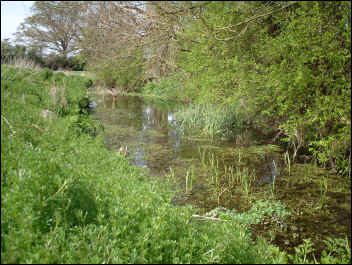
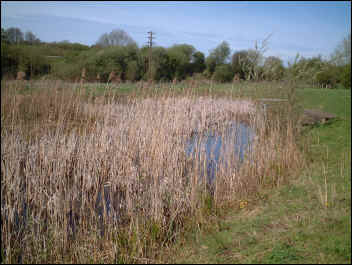
Strand Water with its lush vegetation attracts Grass Snakes, Dragonflies and roosting Reed Buntings |
|
|
|
||
|
One of the main reasons we all love living in the Cookhams is that we are surrounded by a wonderful landscape comprising a wide range of natural, as well as man-made habitats, that we enjoy walking through and seeking inspiration from. This lush and verdant environment is home to untold numbers of plants, insects, mammals and birds which go together to form the surroundings that we all benefit from. |
||
|
|
||
|
|
||
|
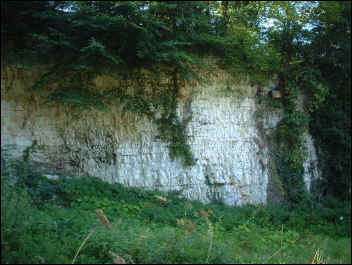
The old chalkpit signifies and aspect of our history but is also a haven for insects and bats |
||
|
|
||
|
As part of the 2007 Cookham Plan, a team was formed to evaluate this important issue for the Cookhams and along with the other groups, presented an environment and ecology report. A significant outcome was to have a complete 'Phase 1 Survey' carried out by a professional ecologist for the entire area, kindly supported by the Cookham Society, which has been done. This defined a high-level statement of the habitat types we have. From this, we will gradually create a 'Wildlife Dossier' of the village, whereby residents are encouraged to submit sightings of interesting birds, insects, pond life etc to build up a picture of just what we do have. This new page for our Village Web site will form an important element of this vision. |
||
|
|
||
|
|
||
|
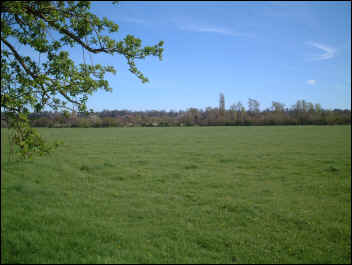
Widbrook, our largest Common and home to Goldfinches and Yellowhammers in summer, Swans, geese and Snipe in winter |
||
|
|
||
|
Ultimately, it would be hoped the information would be utilised in a local Biodiversity Action Plan so we are alerted to the special wildlife we need to protect as Cookham inevitably develops. Do get involved and help us to achieve that” |
||
|
|
||
|
|
||
|
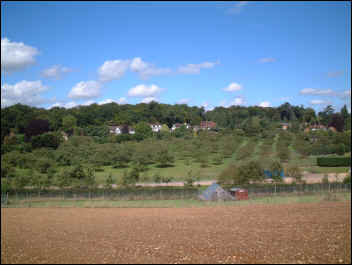
Farmland, orchards and woodland surround the Cookhams bringing with them the riches of varied wildlife |
||
|
|
||
|
|
||
|
Herries' Pool and reed bed on Marsh Meadow has attracted a wide range of aquatic plants and creatures, and Hobbies hunt for dragonflies there in summer |
||